Introduction to Acne Skincare
Acne is a common skin condition that affects a significant portion of the population, especially teenagers and young adults. According to recent studies, approximately 85% of individuals aged 12 to 24 experience acne, making it one of the most prevalent dermatological issues. However, it is not limited to this age group; adults of all ages can experience breakouts due to various factors such as hormonal changes, stress, and environmental influences. Given the widespread nature of this skin condition, the importance of effective skincare cannot be overstated.
Utilizing the right acne-fighting skincare products plays a crucial role in managing and alleviating this condition. Dermatologists recommend a tailored approach that addresses individual skin types and specific acne triggers. Selecting the best products can significantly enhance treatment efficacy, ultimately leading to clearer skin and improved self-esteem.
In the pursuit of combating acne, clarity on which products to use is essential. A range of formulations exists, including cleansers, topical treatments, moisturizers, and spot treatments, specifically designed to target various aspects of acne. It’s imperative that consumers become informed about these options to make educated choices. Rather than relying solely on over-the-counter solutions, consulting with dermatologists can provide deeper insights and customized recommendations suitable for one’s unique skin condition.
The objective of this blog post is to present a carefully curated list of the 10 best acne-fighting skincare products for 2026, all approved by dermatologists. These selections aim to empower individuals in their skincare journey, facilitating the discovery of effective solutions for achieving healthier, clearer skin. By leveraging the expertise of dermatological professionals, we can navigate the crowded landscape of skincare products and make informed decisions that will lead to significant improvements in acne management.
Understanding Acne: Causes and Types
Acne is a common skin condition affecting individuals of various ages, primarily during the teenage years but increasingly seen in adults as well. The condition arises from a combination of factors, primarily hormonal imbalances, excess oil production, and the presence of bacteria. Hormonal fluctuations, particularly those linked to puberty, menstruation, or conditions like polycystic ovary syndrome (PCOS), can significantly contribute to the development of acne. These hormonal changes often lead to an increase in oil (sebum) production, which clogs pores and creates an environment conducive to bacterial growth.
There are several types of acne, each necessitating different treatment approaches. The most recognized forms include:
Pustules: These are small, inflamed red bumps filled with pus. They can be painful and are often prominently noticeable on the skin’s surface.
Cystic Acne: Considered one of the most severe forms of acne, cystic acne forms deep beneath the skin and can be particularly painful. This type is characterized by large, swollen, and tender lesions that can lead to scarring if not treated properly.
Blackheads: Blackheads are non-inflammatory lesions caused by the clogging of hair follicles with oil and dead skin cells. Unlike other acne forms, they do not result in redness or swelling; however, they can be frustrating to manage.
Effective treatment for acne requires an understanding of its causes and types. Over-the-counter products that are targeted for acne treatment vary widely; for example, products effective against blackheads may not work as well on cystic acne. Therefore, recognizing the specific type of acne is essential for selecting the right skincare products. Dermatologist-approved treatments can address individual needs, making them vital for successful acne management.
Criteria for Selection: What Makes a Product Acne-Fighting?
When selecting the best acne-fighting skincare products for 2026, several key criteria were employed to ensure each product’s efficacy and safety. First and foremost, the presence of clinically proven active ingredients plays a critical role. Ingredients such as benzoyl peroxide, salicylic acid, and retinoids are well-documented for their ability to combat acne by unclogging pores, reducing inflammation, and promoting cell turnover.
In addition to active ingredients, each product underwent rigorous dermatological testing. This step is vital, as dermatologically tested products have been assessed for safety on sensitive skin types. Such testing validates the claims made by manufacturers regarding their acne-fighting capabilities. Furthermore, clinical results from studies and trials provide objective evidence of a product’s effectiveness, making it essential to consider how these products perform in real-world applications.
Customer reviews also provide invaluable insights into the actual experiences users have with acne-fighting products. Analyzing user feedback not only highlights positive results but also sheds light on potential side effects or issues that might arise during use. Such reviews help establish a broader perspective on product performance, allowing potential users to make informed decisions.
Moreover, a crucial aspect of acne-fighting products is their non-comedogenic formulation. Non-comedogenic products are specifically designed to avoid clogging pores, which is a significant factor in preventing the exacerbation of acne. This feature is particularly important for individuals already struggling with breakouts, as it helps to minimize the risk of further skin issues.
In summary, the selection of the top acne-fighting products must be based on a comprehensive evaluation of ingredients, dermatological evidence, clinical results, and user feedback, alongside the consideration of non-comedogenic properties. Each of these criteria contributes to the effectiveness and safety of the products in fighting acne.
Top 10 Derm-Approved Acne-Fighting Skincare Products
Acne can be a persistent concern for many individuals, necessitating the selection of effective skincare solutions. Here, we present a list of the top 10 dermatologist-approved acne-fighting skincare products for 2026, highlighting their key active ingredients and the intended benefits.
1. Neutrogena Oil-Free Acne Wash
This cleanser contains salicylic acid, which helps unclog pores and reduce breakouts. Its oil-free formula ensures the skin remains balanced and clean, which is why dermatologists often recommend it.

- Prevent breakouts: This purifying face wash for oily skin cleanses and is clinically proven to help prevent future break…
- Active ingredient: This Clear & Defend facial wash with 2% Salicylic Acid Salicylic Acid is oil-free and works by purify…
- Scientifically tested: The formula developed with dermatologists has clinically proven results — 97% of users report exp…
2. La Roche-Posay Effaclar Duo+
With a unique combination of benzoyl peroxide and innovative lipo-hydroxy acid, this spot treatment targets acne while preventing future breakouts. Its lightweight texture is favored by dermatologists for its efficacy.
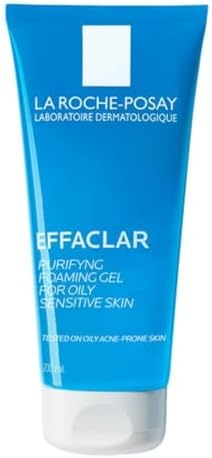
- Purifying foaming gel for oily and sensitive skin, with laroche-posay Thermal Water. Gently purifies the skin, eliminate…
- Foam in the hands with a little water and apply on the face, massaging gently. Rinse thoroughly
- Format: 20 milliliters
3. CeraVe Foaming Facial Cleanser
Infused with ceramides and niacinamide, this foaming cleanser effectively removes dirt while supporting the skin barrier. Its gentle formulation has earned the approval of numerous skin specialists.
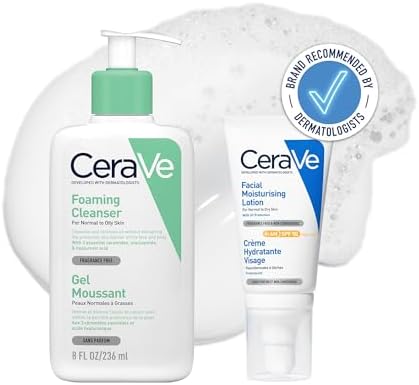
- Product 1: Developed with Dermatologists.
- Product 1: Contains 3 Essential Ceramides to respect the skin’s natural barrier.
- Product 1: With Niacinamide and Hyaluronic Acid, the foaming gel formula cleanses and removes excess oil.
4. Paula’s Choice Skin Perfecting 2% BHA Liquid Exfoliant
Salicylic acid is the key ingredient in this exfoliant, which penetrates pores to clear out debris and prevent acne. Dermatologists endorse it for promoting smoother skin texture.
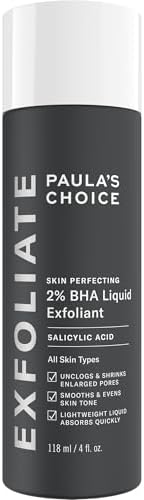
- Paula’s Choice Skin Perfecting 2% BHA Liquid Salicylic Acid Exfoliant for Blackheads and Large Pores – 4 Ounces
- 4 Ounc
- Instructions for use: Apply once or twice a day after cleansing and toning. Lightly soak a cotton pad and apply the enti…
5. COSRX Acne Pimple Master Patch
These hydrocolloid patches assist in healing active acne while protecting them from external factors. Their dermatologist-backed approach makes them a popular choice for on-the-spot treatment.
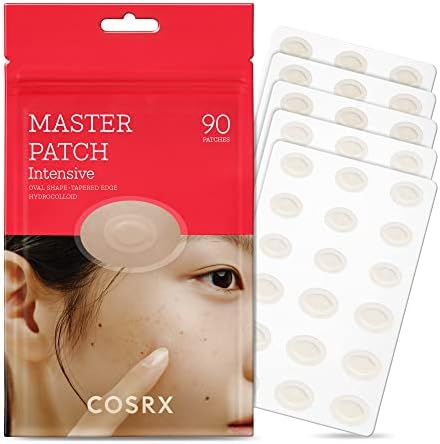
- WHY OVAL-SHAPED? | Here’s WHY! Oval shaped makes it suitable for use on curved surface-such as along the jawline and hai…
- DON’T FIGHT AGAINST ACNE NO MORE! | Master Patch Intensive perfectly covers and protects the pimple area. When the patch…
- SEAMLESSLY BLENDS RIGHT IN! | With its Clear, Matte, and Seamlessly Tapered Edge, Master Patch Intensive perfectly blend…
6. Benzac AC Gel
Featuring benzoyl peroxide as its primary ingredient, this gel effectively combats acne by killing bacteria and reducing inflammation. Dermatologists frequently recommend it due to its powerful yet targeted action.

- LEAVE-ON MEDICINAL TREATMENT: Treat mild acne or recurring breakouts to help break the cycle of spots; helps unblock por…
- ACTIVE INGREDIENT: Contains 5 percent benzoyl peroxide; clinically proven to target and reduce spot-causing bacteria by …
- EFFECTIVE HYDRATION : Contains “AC Microsphere Technology” which helps absorb excess oil while releasing glycerine to so…
7. Bioderma Sébium H2O Micellar Water
This micellar water is designed for oily and combination skin types. It helps to purify and remove makeup while regulating excess sebum production, earning positive feedback from skin health professionals.

- Bioderma innovation,SébiumH2Ogently cleanses the skin without drying it, through the micro-emulsion of impurities and ex…
- The patented sebo-correcting complex,Fluidactiv, normalises sebum quality.
- SébiumH2Oguarantees excellent cutaneous and ocular tolerance.
8. SkinCeuticals Retinol 0.5
This retinol product promotes cell turnover, thereby preventing clogged pores and breakouts. Dermatologists value its effectiveness in fostering clearer skin and enhancing overall texture.

- Retinol 0.5% Oil: Retinol helps reduce signs of aging such as fine lines and wrinkles to achieve smoother, firmer, and m…
- Key Benefits: Based on real results from consumers’ self assessments, the Retinol 0.5% Oil helps reduce wrinkles, crease…
- Dermatological Ingredients: Retinol is a form of active and pure Vitamin A that helps improves wrinkles and firm skin. 9…
9. Clean & Clear Persa-Gel 10
A potent solution containing 10% benzoyl peroxide, this gel is designed for targeted application on blemishes. Its fast-acting formula has been met with dermatologist approval for rapid results.
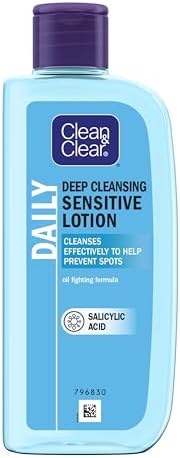
- Daily cleanse: This Clean & Clear face cleanser has been specially formulated to deeply cleanse sensitive skin’s everyda…
- Oil-fighting formula: The purifying Salicylic Acid in this clean and clear cleanser helps dissolve dirt and dead skin ce…
- Prevents breakouts: The Salicylic Acid cleanser helps prevent spots and breakouts in one simple step, and can be used to…
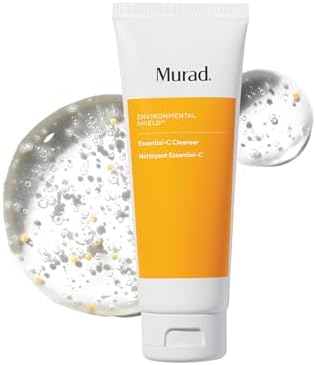
10. Murad Acne Control Clarifying Cleanser
Formulated with salicylic acid and green tea extract, this cleanser targets acne while soothing inflammation. Its dual-action formula makes it a favored choice among skin specialists.
These products reflect the latest advancements in acne treatment and skincare, offering a reliable approach for managing breakouts effectively. As always, consulting with a dermatologist can help tailor the skincare routine to individual needs.
Featured Ingredient Spotlight: Salicylic Acid
Salicylic acid is a well-known beta hydroxy acid (BHA) that plays a crucial role in the treatment of acne. Its effectiveness comes from its ability to penetrate the pores of the skin, aiding in the exfoliation of dead skin cells that can contribute to the formation of acne. By doing so, salicylic acid minimizes the likelihood of clogged pores, which is a common cause of breakouts.
One of the primary benefits of salicylic acid is its anti-inflammatory properties. This ingredient not only helps clear existing acne but also reduces the redness and swelling associated with inflamed spots. Moreover, it promotes a smoother skin texture and helps prevent future blemishes by keeping the pores clear. Many consumers find that products containing salicylic acid deliver noticeable results without the irritation often associated with harsher ingredients.
In 2026, several dermatologist-approved products feature salicylic acid as a key ingredient in their formulations. These products vary from cleansers to spot treatments, ensuring that users can incorporate this potent acne-fighting ingredient into their skincare routine with ease. Notable examples include foaming cleansers that help remove excess oil and also gel-based spot treatments that target blemishes directly.
However, while salicylic acid is generally well-tolerated, some individuals may experience dryness or irritation, particularly those with sensitive skin. It is advisable to begin with products that contain a lower concentration of salicylic acid and gradually increase usage as tolerated. Additionally, when using salicylic acid, it is essential to apply sunscreen, as the ingredient can increase sun sensitivity.
User Testimonials and Success Stories
The effectiveness of acne-fighting skincare products can often be best illustrated through personal experiences and success stories from users. Many individuals, across varying ages and skin types, have found relief in their battle against acne by utilizing these dermatologist-approved products.
For instance, a 24-year-old female user reported a significant reduction in breakouts after incorporating a product containing salicylic acid into her daily regimen. She expressed how the gentle formula not only cleared her skin but also improved its overall texture, making her feel more confident. Her story resonates with many young adults struggling with similar skin concerns.
On the other hand, a 35-year-old male shared his experience with a benzoyl peroxide gel that targeted stubborn acne. After just a few weeks of consistent use, he noticed marked improvements, especially in previously inflamed areas. This highlights the versatility of different products available, catering to the nuances of various skin types and concerns.
Moreover, a teenager, aged 16, recounted her journey of battling hormonal acne. After seeking advice from her dermatologist, she began using a gentle exfoliating cleanser. The results exceeded her expectations, leading to fewer breakouts and an even skin tone. Her story showcases the importance of personalized skincare approaches, which resonate deeply with other adolescents dealing with similar challenges.
A 50-year-old woman also shared how a lightweight moisturizer formulated for acne-prone skin helped her maintain hydration without exacerbating her condition. This emphasizes that effective acne management is possible, even for mature skin. Overall, these testimonials depict a diverse array of experiences, underscoring the impact of these products on individuals from different backgrounds and skin types.
Potential Side Effects and How to Avoid Them
When utilizing acne-fighting skincare products, it is critical to understand the possible side effects that may arise. Common issues include dryness, irritation, and increased skin sensitivity, which can be exacerbated by the active ingredients commonly found in acne treatments. These reactions can discourage individuals from continuing their skincare regimen, so recognizing and mitigating these potential problems is essential.
Dryness is often the most prevalent side effect, particularly attributed to ingredients such as benzoyl peroxide and salicylic acid. These substances work effectively to reduce acne by drying out excess oil and unclogging pores, but they can also strip the skin of its natural moisture. To combat this, it is advisable to incorporate a hydrating moisturizer into your routine. Look for non-comedogenic products to ensure they do not contribute to further breakouts while maintaining moisture balance.
Irritation and sensitivity can be another concern when starting new products. These reactions can manifest as redness, peeling, or discomfort. To minimize these effects, it is wise to introduce new treatments gradually. This method allows the skin to acclimate to active ingredients. Begin by applying the product every other day or even less frequently, then gradually increase usage as the skin adjusts. Additionally, conducting a patch test prior to a full application can help identify any adverse reactions before applying the product to larger areas.
Overall, the key to successfully integrating acne-fighting products involves being mindful of these common side effects. By taking precautions such as patch testing and slowly incorporating products into your routine, one can alleviate many of the negative reactions associated with their use. Ultimately, this approach fosters a more successful and comfortable skincare journey.
Recommended Skincare Routine for Acne-Prone Skin
Creating an effective skincare routine for acne-prone skin is essential to manage breakouts and promote a clear complexion. The following regimen incorporates some of the best acne-fighting products available and outlines the order of application, frequency, and complementary products.
1. Cleanser: Start your routine with a gentle, non-comedogenic cleanser formulated to remove excess oil and impurities without stripping the skin of its natural moisture. Use this cleanser twice daily—once in the morning and once at night.
2. Treatment: After cleansing, apply an acne treatment product containing active ingredients like benzoyl peroxide or salicylic acid. These ingredients work to unclog pores, reduce inflammation, and target acne-causing bacteria. This step should be done twice daily for optimal results, allowing the product to absorb before moving on to the next step.
3. Moisturizer: Applying a lightweight, oil-free moisturizer is crucial to maintain hydration and balance in the skin, even if it is acne-prone. Choose a product that includes soothing ingredients, ensuring it is non-comedogenic to avoid clogging pores. This should also be used twice daily, as hydration can help support the skin’s barrier function.
4. SPF: During the daytime, applying broad-spectrum sunscreen with at least SPF 30 is essential to protect the skin from UV damage. Look for a sunscreen that is labeled as oil-free and non-comedogenic. Use this every morning, even when there is cloud cover.
5. Exfoliation: Incorporate an exfoliating product containing alpha or beta hydroxy acids 1–2 times a week to help unclog pores and promote cell turnover. Avoid over-exfoliation, which can cause irritation and worsen acne.
6. Night Treatment: In the evening, consider using a spot treatment or prescription retinoid after moisturizing, particularly for stubborn breakouts. This will support skin renewal and prevent future breakouts while you sleep.
Adhering to this comprehensive routine, alongside the recommended products mentioned in this blog post, can significantly enhance your journey toward clearer skin. By consistently following these steps, you can support your skin’s health and effectively combat acne.
Conclusion: Your Path to Clearer Skin
Achieving clear and healthy skin requires a personalized skincare approach tailored to individual needs. With the right acne-fighting products, such as those highlighted in this blog post, individuals can significantly improve their skin’s appearance. However, the effectiveness of these products varies from person to person, making it essential to consult with a dermatologist for professional advice tailored to specific skin types and concerns.
A dermatologist can provide insights into the most suitable ingredients and formulations, ensuring that the skincare routine aligns with one’s unique skin requirements. This consultation can also help in identifying any underlying conditions contributing to acne, which may not be addressed by over-the-counter solutions alone. Therefore, it’s highly recommended to seek out these professionals to create an effective and personalized plan.
Moreover, while using the products mentioned, consistency is vital. A dedicated skincare routine, coupled with patience, can lead to significant improvements over time. Individuals should commit to applying their chosen products regularly as recommended, to allow effective ingredients such as salicylic acid, benzoyl peroxide, or retinoids to work optimally. Combining these products with a healthy lifestyle, including a balanced diet and adequate hydration, will further enhance skincare efforts.
In summary, taking the time to understand one’s skin and seeking professional guidance is critical in the quest for clearer skin. By incorporating the dermatologist-approved products discussed into a consistent routine and engaging in ongoing consultations with skincare experts, individuals can embark on a journey toward healthier, more radiant skin.