Introduction to Korean Collagen Wrapping Masks
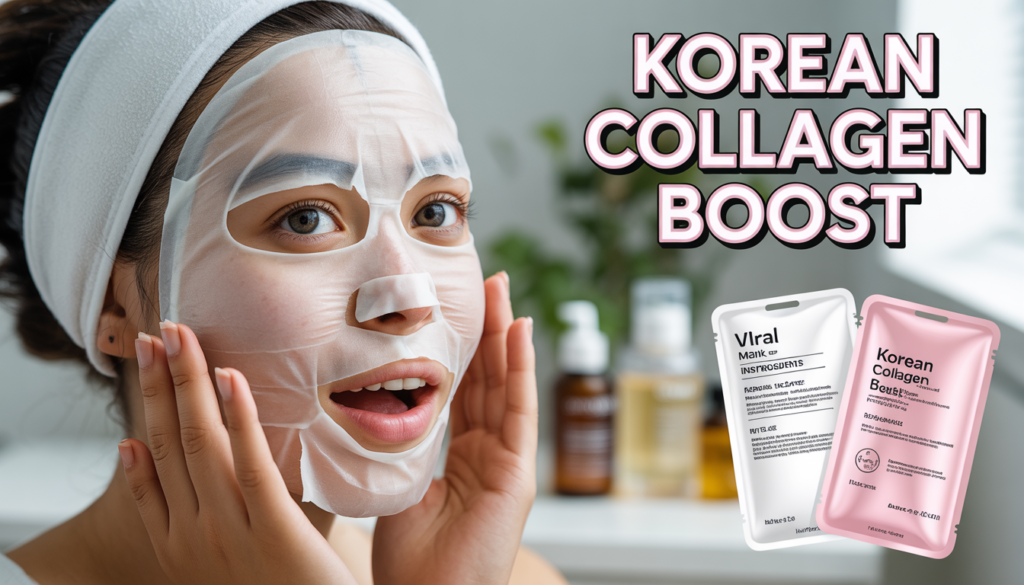
Korean collagen wrapping masks have gained significant attention in recent years, particularly on social media platforms and beauty blogs. This surge in popularity can be attributed to the growing emphasis on skincare routines that promise enhanced hydration and improved skin texture. These masks are often lauded for their ability to provide instant results, making them a sought-after choice among beauty enthusiasts.
At the core of these masks is collagen, a vital protein that contributes to skin structure and elasticity. Alongside collagen, many formulations include hyaluronic acid, known for its exceptional ability to retain moisture, thus promoting a plump and youthful complexion. Additionally, botanical extracts are frequently incorporated, offering a myriad of benefits from antioxidants to soothing properties, which further enhance the effectiveness of the mask.
The main objective of utilizing Korean collagen wrapping masks is to achieve a more hydrated and youthful appearance. Users typically experience an immediate boost in skin moisture levels, along with a noticeable improvement in texture and tone post-application. The hydrating properties of the masks are not only beneficial for a superficial glow but also contribute to long-term skin health, as consistent use may support the skin’s overall resilience against aging.
In conclusion, Korean collagen wrapping masks represent a fascinating intersection of traditional skincare and modern beauty trends. By harnessing powerful ingredients such as collagen and hyaluronic acid, these masks offer a promising solution for those seeking to elevate their skincare regimen and achieve a revitalized complexion. As the beauty community continues to explore and share their experiences with these innovative products, they remain at the forefront of skincare solutions embraced by many.
The Science Behind Collagen and Skin Care
Collagen is a vital protein that serves as a key structural component of the skin, contributing to its elasticity, hydration, and overall health. Comprising approximately 75% of the skin’s structure, collagen provides strength and support, making it essential for maintaining youthful skin. As individuals age, natural collagen production diminishes, leading to the common signs of aging such as wrinkles, sagging, and dryness.
The impact of collagen on skin health cannot be understated. The depletion of collagen is often accelerated by external factors such as UV exposure, pollution, and lifestyle choices. Consequently, the skincare industry has introduced various products, including collagen-infused masks, aimed at reversing these effects. However, a pertinent question arises regarding the effectiveness of topical collagen: can it actually penetrate the skin barrier and yield noticeable results?
Research indicates that while collagen molecules are too large to be directly absorbed into the dermal layer of the skin, certain small peptides produced during collagen breakdown can penetrate the skin to some extent. These collagen peptides may stimulate the production of new collagen fibers, thus contributing to improved skin texture and elasticity. Nevertheless, it is crucial to manage expectations, as the results of using topical collagen can vary significantly between individuals and depend on various factors such as skin type and the formulation of the products used.
Moreover, several misconceptions persist surrounding the use of collagen in skincare. A common myth is that applying collagen topically directly replaces lost collagen in the skin. In reality, the larger collagen compounds remain on the surface and can provide temporary hydration and smoothness, but do not directly build the skin’s structure. Therefore, while collagen-infused products like the viral Korean collagen wrapping masks may offer immediate cosmetic benefits, a comprehensive approach to skin health, including adequate hydration, sun protection, and a balanced diet, remains paramount for achieving long-lasting improvements.
Realistic Expectations from Korean Collagen Wrapping Masks
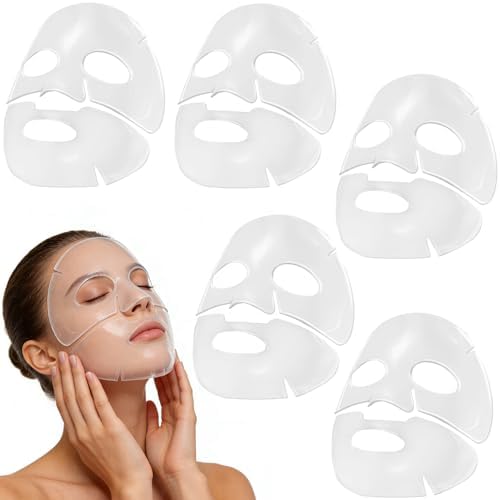

Korean collagen wrapping masks have garnered significant attention for their potential to enhance skin appearance and texture. However, it is crucial to set realistic expectations regarding the results one can achieve with these products. The effectiveness of Korean collagen masks can vary widely based on several factors, including individual skin type, hydration levels, and the frequency of use.
Users with dry or mature skin often report noticeable improvements in smoothness and hydration after consistent use of collagen masks. For instance, individuals observing changes often highlight a plumper and more youthful complexion within a week of regular application. Conversely, individuals with oily or acne-prone skin might experience varying results, with some noticing benefits while others remain unaffected. This disparity underscores the importance of understanding one’s skin type when integrating Korean collagen masks into a skincare regimen.
The hydration levels of the skin play a pivotal role in the effectiveness of the treatment. For optimal results, individuals are encouraged to ensure their skin is adequately moisturized and healthy before application. Anecdotal reports also suggest that users who incorporate the masks into a broader skincare routine—complementing them with serums and moisturizers—tend to see enhanced results, demonstrating the importance of a holistic approach to skincare.
Testimonial accounts further illustrate the varying effectiveness of these masks. Users often share before-and-after photos showcasing subtle improvements, such as decreased fine lines, increased luminosity, and enhanced skin texture. While some experience immediate benefits after a single use, others notice gradual changes that require longer commitment. To achieve the best possible results, it is recommended to use Korean collagen wrapping masks regularly, ideally two to three times a week, depending on skin tolerance and needs.
Who Should Skip Collagen Wrapping Masks?
While collagen wrapping masks have gained considerable popularity due to their advertised benefits in enhancing skin hydration and elasticity, they may not be suitable for everyone. Individuals with specific skin types and conditions should exercise caution before incorporating these products into their skincare routine.
Firstly, those with oily or acne-prone skin may want to avoid collagen wrapping masks. The heavy, occlusive nature of these masks can trap sweat and excess oils, potentially exacerbating breakouts and leading to clogged pores. For individuals who already struggle with acne, opting for lighter, non-comedogenic alternatives might be a better choice. Ingredients that are breathable and offer hydration without the risk of buildup may be more appropriate.
Additionally, individuals who suffer from sensitivities or allergies should carefully consider the ingredients within collagen wrapping masks. Common allergens may be present in formulations, such as fragrances or certain preservatives, which could provoke skin irritation or allergic reactions. It is advisable to perform a patch test on a small area of skin before full application to assess any adverse effects.
Moreover, those with skin conditions like rosacea or eczema need to proceed with caution. The occlusive effect of collagen masks may aggravate redness, irritation, or discomfort associated with these conditions. Gentle, soothing products that focus on barrier repair rather than occlusiveness are often better suited for such individuals.
In conclusion, while collagen wrapping masks can offer benefits for many, certain skin types and conditions may warrant exclusion from their use. Understanding one’s skin needs is vital in making informed decisions about suitable skincare products.
How to Use Collagen Masks Safely
To maximize the benefits of collagen wrapping masks while minimizing potential risks, it is essential to understand their safe application. First and foremost, determining the frequency of use is crucial. For most individuals, using collagen masks 1-2 times a week is sufficient. Overuse can lead to skin irritations or potential breakouts due to clogged pores. It is advisable to consult with a skincare professional if you have sensitive skin or specific skin conditions to find an appropriate routine.
Preparation is key before applying any collagen mask. Begin by cleansing your face thoroughly to remove makeup, dirt, and oils that may impede the effectiveness of the mask. After cleansing, gently exfoliate the skin to eliminate dead skin cells, allowing for better absorption of the collagen. If you have particularly sensitive skin, consider using a soothing toner post-cleansing to prepare your skin for the mask.
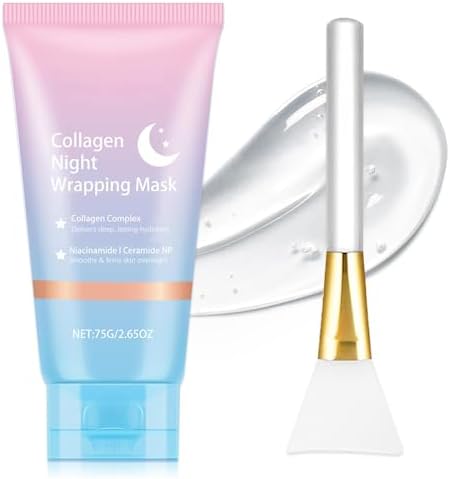
When applying a collagen mask, follow the instructions on the product carefully. Generally, apply an even layer of the mask onto your face, ensuring that it covers all areas including the jawline and forehead. Avoid the eye and lip areas to reduce the risk of irritation. Allow the mask to rest on your skin for the recommended duration, typically between 15 to 30 minutes. During this time, remain still to prevent the mask from slipping off.
Finally, after removing the mask, rinse your face with lukewarm water to eliminate any residue. Follow this up with your regular skincare routine, applying serum and moisturizer to seal in the benefits gained from the collagen mask. Incorporating these masks thoughtfully into your skincare regimen can enhance their overall effectiveness and help achieve a healthy, radiant complexion.
The Importance of Skin Preparation
Preparing the skin before applying Korean collagen wrapping masks is a fundamental step to enhance their effectiveness. A well-prepared canvas not only enhances the absorption of the active ingredients found in collagen masks but also optimizes the overall results, leading to rejuvenated and healthier skin.
First and foremost, thorough cleansing is essential. This initial step removes any dirt, oil, and makeup residue, allowing the collagen mask to penetrate more effectively. Utilizing a gentle cleanser suited for your skin type helps in maintaining the skin’s natural barrier, ensuring that the cleansing process does not strip away essential moisture.
Following cleansing, exfoliation plays a pivotal role. This process eliminates dead skin cells and promotes cell turnover, which is crucial for allowing the active ingredients in the collagen mask to reach deeper layers of the skin. Opt for gentle exfoliation methods, such as chemical exfoliants like AHAs and BHAs, or mild physical scrubs, depending on your skin’s sensitivity. Consistent exfoliation, recommended once or twice a week, will provide a fresh surface for optimal mask performance.
Hydration is another crucial component of skin preparation. After exfoliating, applying a light moisturizer can help replenish lost moisture while maintaining the skin’s pH balance. A balanced pH is vital, as skin that is too acidic or too alkaline can disrupt the effectiveness of collagen masks. Choosing a pH-balanced moisturizer ensures the skin is primed for subsequent treatments and enhances the overall results of the collagen mask.
By adhering to these straightforward preparation steps—cleansing, exfoliating, and moisturizing—you can significantly enhance the performance of Korean collagen wrapping masks, leading to more pronounced and lasting benefits for your skin.
Comparing with Other Skin Care Products
The rise in popularity of Korean collagen wrapping masks has prompted many individuals to question how they measure up against other commonly used skin care products, such as sheet masks, serums, and creams. Each of these products has its unique characteristics, ingredients, and benefits, which can make them suitable for different skincare needs.
Firstly, collagen wrapping masks are designed to enhance skin hydration through a unique delivery system that allows them to adhere closely to the skin. This close contact not only helps to boost collagen absorption but also creates a microenvironment that enhances moisture retention. In contrast, sheet masks often provide immediate hydration and soothing effects but may not deliver the same long-term benefits associated with collagen production.
Serums, on the other hand, are typically concentrated solutions that target specific skin concerns, such as aging or hyperpigmentation, and are often rich in active ingredients. While serums can boost skin vitality and repair, they usually lack the immediate nourishing effects that collagen masks provide. Unlike serums, which are applied in smaller quantities, collagen wrapping masks cover the entire face, allowing for a more uniform application of vital nutrients.
Finally, creams often serve as the last step in a skincare routine, providing a barrier that locks in moisture and shields the skin from environmental factors. However, while creams may provide hydration, they do not typically contain the high concentrations of collagen found in wrapping masks. Therefore, using collagen masks can enhance a skincare regimen when layered appropriately with serums or topped off with a cream.
In conclusion, while collagen wrapping masks each have their strengths, the best results are often achieved when they are integrated into a well-rounded skincare routine, complementing the benefits of sheet masks, serums, and creams. Understanding the unique properties and intended uses of each product will enable individuals to tailor their skincare approach to meet their specific needs.
User Reviews and Experiences
User testimonials play a significant role in understanding the real effects of Korean collagen wrapping masks, as they showcase a variety of experiences and results. Many users report seeing visible improvements in skin texture and hydration shortly after their first use. For instance, one satisfied user mentioned that she incorporated the mask into her weekly skincare routine, applying it every Sunday as a part of her self-care ritual. This consistency helped her notice a more radiant and plump complexion over time.
Some individuals highlighted the masks’ soothing properties, noting that the cool sensation provided relief during hot weather. One reviewer shared that her skin felt calmer and more refreshed afterwards, which encouraged her to repurchase. Additionally, several users emphasized the importance of following the manufacturer’s instructions for optimal results. Applying the mask for the recommended time and avoiding short cuts often led to better outcomes, as per their experience.
However, not all reviews were entirely positive. A few users expressed some disappointment, stating they did not see significant changes. These individuals often reported sensitivity to ingredients or a lack of visible results, which illustrates an important point: results can vary greatly depending on one’s skin type and condition. Some advised potential users to conduct a patch test before full application to avoid adverse reactions.
Overall, the feedback surrounding these collagen masks reveals a spectrum of experiences, encouraging prospective buyers to consider how they might fit into their personal skincare routines. This diversity in user experiences reflects varying skin types, expectations, and how Asian skincare practices have evolved in today’s beauty culture.
Final Thoughts and Recommendations
The popularity of Korean collagen wrapping masks has surged, captivating a wide audience with promises of radiant, youthful skin. Throughout this blog post, we explored the effectiveness of these masks, delved into their ingredients, and examined overall consumer experiences. It is essential for potential users to consider several factors before incorporating these products into their skincare routine.
Firstly, understanding your skin type is crucial. While some individuals may experience impressive results with collagen wrapping masks—such as increased hydration, improved skin elasticity, and reduced signs of aging—others may find that these products do not cater well to their specific skin needs. For example, oily skin types might not benefit as significantly from heavy moisturizing ingredients, whereas dry skin types might see positive transformations.
Secondly, pay close attention to the ingredients listed on the packaging. The effectiveness of a mask hinges not only on its collagen content but also on the presence of complementary ingredients like hyaluronic acid, peptides, and botanical extracts. Researching these components can provide insight into their ability to nourish and rejuvenate the skin.
Lastly, it is important to approach beauty trends, including Korean collagen wrapping masks, with a critical mindset. As appealing as these products may seem, it is essential to rely on factual information and, if possible, seek recommendations from dermatologists or trusted skincare professionals. Conducting a patch test prior to extensive use can also help to avoid potential adverse reactions.
In conclusion, while Korean collagen wrapping masks may offer benefits to some, individual experiences can vary widely. By considering your skin type, scrutinizing ingredients, and remaining discerning, you can make informed decisions on whether to embrace this beauty trend.
Achieving Glass Skin 2.0: Your Definitive 2026 Skincare Routine for a Flawless Glow