Understanding Korean Sunscreen: Unique Filters and Textures

Korean sunscreens have gained considerable attention in the global market, particularly due to their innovative use of UV filters and textures. These formulations often contain both organic and inorganic filters, providing robust protection against UVA and UVB rays. Notable among them are filters such as Tinosorb S and M, which are praised for their broad-spectrum efficacy, and are often used in conjunction with more commonly known ingredients like octinoxate and avobenzone. The integration of these advanced filters not only ensures effective sun protection but also enhances the stability and longevity of the product during sun exposure.
Another characteristic of Korean sunscreens is their diverse textures. These can range from lightweight gels and lotions to richer creams and innovative hybrid formulations. Gel-based sunscreens are particularly favored for their rapid absorption and non-greasy feel, making them suitable for individuals with oily or combination skin types. Conversely, cream-based options are often geared towards providing added hydration, appealing to those with dry skin concerns. Hybrid formulas deliver the advantages of both textures, allowing for versatility in application preferences.
The choice of filter and texture plays a critical role in the overall user experience. For instance, consumers often seek sunscreens that do not leave a white cast or feel heavy on the skin. As such, Korean cosmetic chemists have skillfully combined aesthetic sensibilities with effective sun protection, culminating in products that are not only functional but also enjoyable to use.
Additionally, the emphasis on textures has set Korean sunscreen apart from traditional Western brands, which may prioritize effectiveness over sensory experience. This dynamic approach to formulation underscores the importance of consumer preferences, encouraging a more approachable and consistent application of sunscreen within daily skincare routines.
Avoiding Common Issues: Pilling, Stinging Eyes, and White Cast
Korean sunscreens have gained substantial popularity in recent years, praised for their lightweight formulas and innovative ingredients. However, users often encounter common issues such as pilling, stinging around the eyes, and a noticeable white cast—particularly on darker skin tones. Understanding these challenges is essential for selecting the right product and ensuring a satisfactory application experience.
Pilling occurs when the sunscreen rolls off the skin, creating small clumps that can be frustrating. This issue typically arises from the combination of products layered beneath the sunscreen, such as moisturizers or serums. To minimize pilling, it is advisable to allow each layer of skincare to fully absorb before applying sunscreen. Additionally, opting for a gel-based formula can reduce the likelihood of this occurrence, as these lighter textures tend to meld better with the skin.
Stinging eyes are another concern, particularly for those with sensitive eyes or contact lens wearers. This discomfort can be exacerbated by sunscreen formulas that contain certain chemical filters or fragrances. To minimize this issue, consider choosing mineral-based sunscreens, which are often less irritating, or applying sunscreen below the eye area and using additional eye creams for protection. Always check for hypoallergenic labels when selecting a product if you are prone to sensitivities.
The infamous white cast, largely a concern for individuals with deeper skin tones, is primarily caused by mineral sunscreens that contain zinc oxide or titanium dioxide. To avoid this, look for Korean sunscreens specifically marketed as ‘clear’ or ‘ultra-light,’ as these formulations often contain nanotechnology to provide protection without leaving a residue. Additionally, tinted sunscreens can offer both sun protection and a more even skin tone, rendering the concerns of white cast irrelevant.
Shopping for Korean Sunscreen: What to Look For and Where to Buy
When selecting Korean sunscreen in the UK, EU, or US, it is essential to consider the formulation that best suits your skin type and concerns. Korean sunscreens are renowned for their innovative formulas, which often combine sun protection with skin-nourishing ingredients. For oily or acne-prone skin, look for gel-based or lightweight formulas that offer a matte finish. Products containing green tea or centella asiatica can be particularly beneficial for calming inflamed skin.
For dry or sensitive skin, cream-based sunscreens enriched with moisturizing agents such as hyaluronic acid or glycerin may be more suitable. These formulations provide hydration while effectively shielding the skin from harmful UV rays. Additionally, consider choosing sunscreens with a high SPF rating, ideally 30 or higher, for adequate protection.
When it comes to purchasing authentic Korean sunscreen, it is prudent to shop from reputable sources. Online platforms such as YesStyle, Soko Glam, and Amazon have curated selections of well-known K-beauty brands like Innisfree, Missha, and Biore. These websites often provide detailed product descriptions and customer reviews, which can help in making informed decisions. For those preferring to shop brick-and-mortar, specialty beauty stores or sections in larger retailers may carry some of these popular brands.
To verify the authenticity of Korean sunscreen products, pay attention to packaging details. Authentic products typically bear Korean characters on the label and detailed ingredient lists. Checking for certification seals can also indicate legitimacy. Websites like INCI Decoder can be helpful in verifying ingredients and ensuring you are selecting a genuine product. Overall, sourcing Korean sunscreen can be a rewarding venture, providing effective sun protection tailored to various skin types and needs.

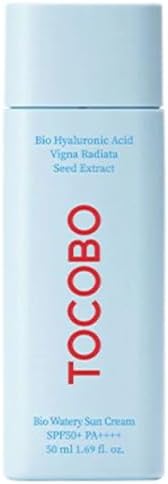

Building a Simple Routine: Pairing Korean Sunscreen with Other Products
Incorporating Korean sunscreen into your daily skincare regimen is essential for achieving optimal skin health and protection from harmful UV rays. To maximize the effectiveness of your sunscreen, it is crucial to build a simple yet effective routine that combines complementary skincare products. Begin with a gentle cleanser to remove impurities from the skin surface.
After cleansing, applying a hydrating toner can prepare your skin for better absorption of subsequent products. Look for toners that contain hydrating ingredients, such as hyaluronic acid or glycerin, which will help plump the skin and provide a perfect base. Next, consider adding a serum that targets your specific skin concerns, whether it be anti-aging, brightening, or acne-fighting. A vitamin C serum, for instance, can enhance the skin’s radiance while also providing antioxidant protection, making it a suitable choice before applying sunscreen.
Once you have layered on a serum, apply a moisturizer that matches your skin type. For oily skin, a lightweight gel-based moisturizer may suffice, while those with dry skin may benefit from a thicker cream. The moisturizer helps to lock in hydration and forms a smooth barrier on the skin, ensuring that the sunscreen adheres properly. Choosing a Korean sunscreen that offers broad-spectrum protection is crucial. Apply an ample amount to your face and neck, ensuring even coverage.
As a step-by-step guide, follow this order: cleanse, tone, apply serum, moisturize, and finally, apply Korean sunscreen. It’s also important to reapply sunscreen every two hours, especially if you’re outdoors. By integrating these products in a structured routine, you can enhance your skin’s overall health and ensure comprehensive protection against UV exposure.
Achieving Glass Skin 2.0: Your Definitive 2026 Skincare Routine for a Flawless Glow