Snail mucin can hydrate and support the barrier, but it can also feel “too much” for some. Here’s how to use it safely for acne-prone skin.
Snail mucin, a viscous secretion produced by snails, has garnered significant attention in the realm of skincare, especially within the last decade. Originating from the practice of using snail slime in traditional remedies, its modern application now spans to a variety of products designed to enhance skin health. The growing popularity of this ingredient can be attributed to its multifaceted benefits, particularly its hydrating and healing properties, which resonate with a wide range of skin types.
Rich in glycolic acid, hyaluronic acid, glycoprotein, zinc, and other beneficial compounds, snail mucin serves as a natural moisturizer. It helps to attract and retain moisture in the skin, making it particularly effective for individuals dealing with dryness or dehydration. Furthermore, its regenerative properties aid in skin repair, which is crucial for those suffering from acne-prone conditions. When the skin is compromised or damaged due to breakouts, snail mucin can support the healing process, reducing the likelihood of scarring and promoting a smoother texture.
For acne-prone skin, the integration of snail mucin into a skincare regimen offers a dual approach: it provides deep hydration while simultaneously assisting in the repair of blemished skin. Its anti-inflammatory attributes help to calm irritation, thereby addressing redness and swelling associated with acne flare-ups. Consequently, users often find that their skin appears healthier and more balanced, significantly reducing the risk of future breakouts.
As the world continues to explore the efficacy of various ingredients in skincare, snail mucin stands out as a compelling option for those seeking both hydration and healing. This introduction sets the stage for a deeper exploration into how to effectively incorporate snail mucin into a skincare routine without the worry of exacerbating acne issues.
Understanding Acne-Prone Skin
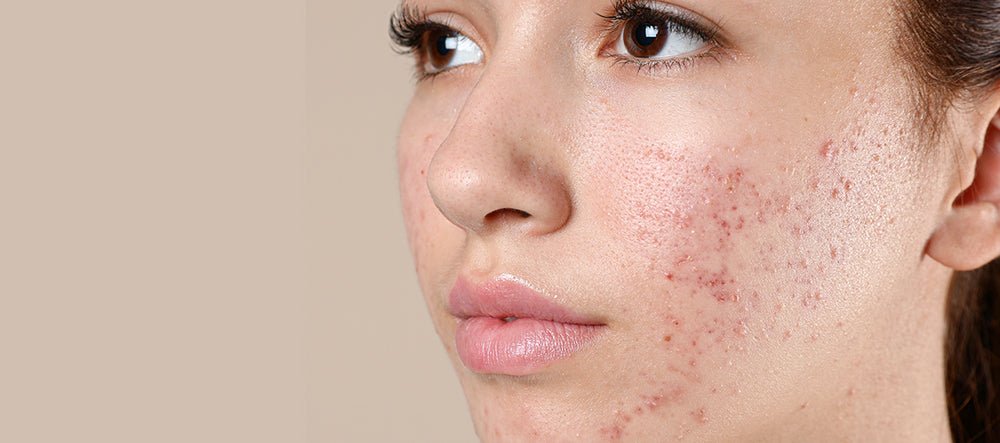
Acne-prone skin is characterized by its increased susceptibility to breakouts, which can manifest as pimples, blackheads, and cysts. This type of skin typically exhibits higher levels of oil production, also known as sebum, leading to clogged pores that create an ideal environment for the growth of acne-causing bacteria, specifically Propionibacterium acnes. As a result, inflammation often ensues, manifesting as redness, swelling, and discomfort, making it essential to adopt a targeted skincare regimen.
Several common triggers can exacerbate acne-prone skin. These include hormonal fluctuations, which can lead to increased oil production, as well as dietary influences, stress, and environmental factors such as pollution. Products containing harsh chemicals or heavy oils can further irritate the skin and worsen breakouts. Hence, individuals with acne-prone skin must exercise caution when selecting skincare products.
It’s crucial for those with this skin type to understand how their skin reacts to various ingredients. For example, while oil-free and non-comedogenic products are typically recommended, many do not account for the soothing properties that certain oils can provide. Transitioning to gentler ingredients, such as snail mucin, may benefit acne-prone skin due to its hydrating and healing properties, provided that it is used correctly. Snail mucin contains natural components that can help regulate sebum production, promote healing of existing blemishes, and even reduce the appearance of scars.
In essence, choosing the right ingredients is paramount for individuals with acne-prone skin. It is recommended to opt for lightweight formulations that balance moisture without contributing to excessive oiliness, thus minimizing the risk of breakouts while supporting overall skin health.
The Role of Snail Mucin in Skincare
![[Mizon] Snail Repair Cream, Face Moisturizer with Snail Mucin Ext...](https://m.media-amazon.com/images/I/31UpywEMQrL._AC_.jpg)
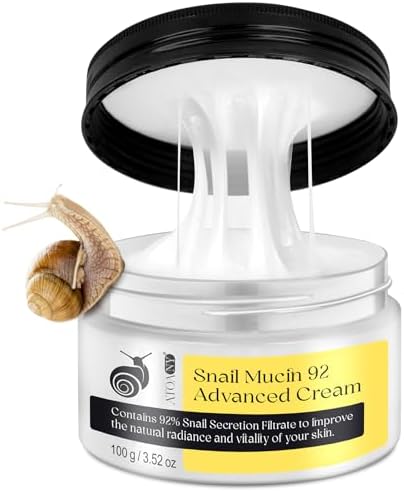

Snail mucin, a secretion derived from the common garden snail, has gained popularity in the skincare industry due to its exceptional properties that promote healthier skin, particularly for those with acne-prone skin. The primary components of snail mucin include glycoproteins, glycolic acid, hyaluronic acid, and various enzymes, each playing a vital role in skin health.
Glycoproteins are fundamental in cellular communication and skin repair. They help to enhance the skin’s ability to regenerate, making them effective in reducing signs of aging and promoting a smoother complexion. When applied to acne-prone skin, glycoproteins assist in healing post-acne scars and prevent the formation of new blemishes by supporting the skin’s natural healing processes.
Glycolic acid, an alpha-hydroxy acid (AHA), is known for its ability to exfoliate the skin gently. This component removes dead skin cells, helping to unclog pores and reduce the likelihood of breakouts. Moreover, it aids in enhancing skin texture and promoting an even skin tone, making it a valuable ingredient for those prone to acne.
Hyaluronic acid is another key component, renowned for its incredible hydrating properties. It can hold up to 1000 times its weight in water, providing deep moisture and maintaining skin elasticity. Proper hydration is crucial for acne-prone skin, as it helps to balance oil production and supports the skin barrier, reducing sensitivity and irritation that can lead to breakouts.
In addition to these beneficial components, snail mucin possesses anti-inflammatory properties that can soothe irritated skin and help reduce redness, further aiding in the healing of acne lesions. By incorporating snail mucin into a skincare regimen, individuals with acne-prone skin can experience improved moisture retention, reduced inflammation, and enhanced overall skin health.
Benefits of Using Snail Mucin for Acne-Prone Skin

Incorporating snail mucin into an acne-prone skincare routine can yield numerous advantages that are beneficial in addressing various skin challenges associated with breakouts. First and foremost, snail mucin is renowned for its hydrating properties. Unlike heavy moisturizers that can clog pores, snail mucin provides lightweight hydration that supports the skin’s moisture barrier without contributing to excess oil production. This is crucial for individuals with acne-prone skin, as maintaining a proper level of hydration can help prevent the skin from overcompensating with sebum production, potentially leading to further breakouts.
Additionally, snail mucin is effective in soothing irritation and redness that often accompany acne. Its naturally occurring glycoproteins and glycolic acid promote healing and reduce inflammation, making it an excellent choice for calming irritated skin. This soothing effect not only alleviates discomfort but also improves the overall appearance of the skin, leading to a more even skin tone.
Moreover, snail mucin is known for its ability to help diminish post-acne marks and scars. The components within the mucin, such as allantoin and peptides, assist in skin cell regeneration and repair, promoting a healthier complexion. Regular use can effectively fade discoloration, contributing to a more uniform skin texture. This regenerative property allows individuals struggling with acne to tackle both active breakouts and the aftermath they leave behind.
Finally, snail mucin helps balance oil production, which is particularly beneficial for those prone to acne. By regulating sebum levels, this ingredient can prevent blocked pores, thus reducing the likelihood of future breakouts. This multifaceted approach to skincare not only addresses the immediate effects of acne but also supports long-term skin health and resilience.
How to Incorporate Snail Mucin into Your Skincare Routine
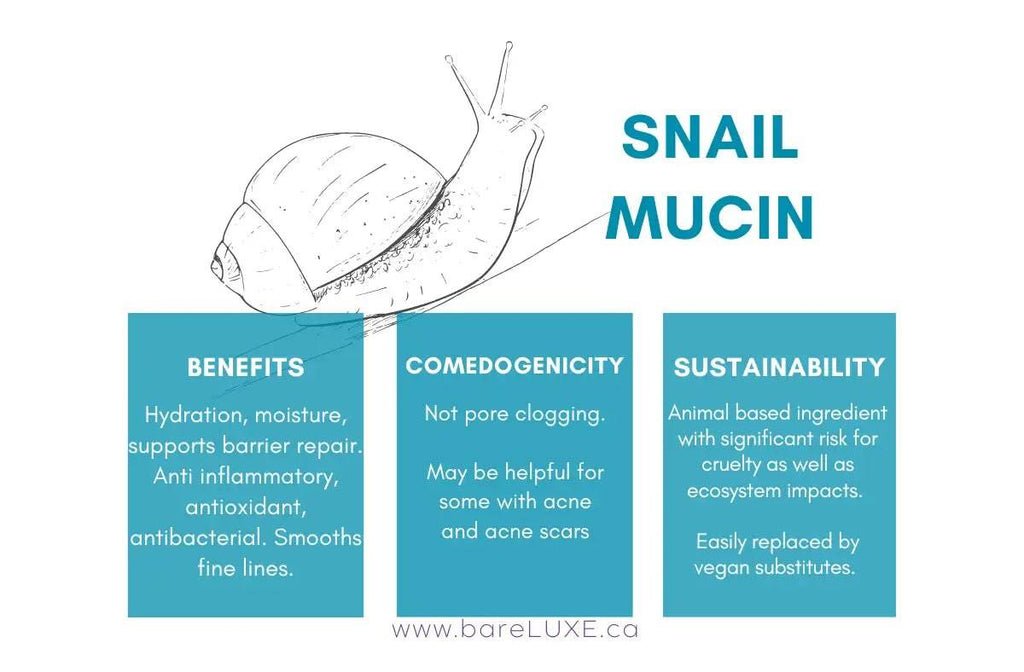
Integrating snail mucin into the skincare routine for acne-prone skin requires a thoughtful approach to ensure optimal benefits without the risk of breakouts. When selecting a product, look for formulations that feature snail mucin as a primary ingredient, such as serums or lightweight creams. Snail mucin is renowned for its hydrating, healing, and anti-inflammatory properties, making it suitable for those struggling with acne.
Begin by performing a patch test with the chosen snail mucin product to determine any possible allergic reactions. Once confirmed, incorporate the product into your routine gradually. Start with a frequency of two to three times a week, observing how your skin reacts before increasing usage to daily application. It is advisable to apply snail mucin in the evening when the skin naturally heals, but it can also be utilized in the morning as part of your skincare regimen.
Layering snail mucin is essential to maximize its effects. After cleansing, apply a gentle exfoliating toner to prepare the skin, followed by the snail mucin serum or cream. Allow the product to absorb fully before moving on to the next product. If you use other treatments designed for acne-prone skin—such as benzoyl peroxide or salicylic acid—apply them after the snail mucin for effective results. Always keep in mind to monitor how your skin feels after incorporating new products, focusing on signs of irritation or excessive oil production.
Incorporating snail mucin into your routine can lead to improved skin texture and hydration. However, consistency is vital, and patience is necessary as the effects may take several weeks to manifest fully. By following these steps, you can successfully integrate snail mucin into your acne-prone skincare routine without adverse effects.
Potential Risks and Considerations
While snail mucin has gained popularity as a beneficial ingredient for skincare, especially for those with acne-prone skin, it is essential to recognize the potential risks and considerations associated with its use. One primary concern is that snail mucin may cause clogged pores for some individuals, particularly if they have oily skin or use products that contain heavy oils. This can lead to breakouts, exacerbating the very skin issues users may be trying to address.
Furthermore, the formulation of the snail mucin product is crucial. If the snail mucin is combined with other heavy ingredients or irritants, the likelihood of obstructing the pores increases. Therefore, users should carefully review ingredients lists to ensure the product complements their skin type rather than aggravating it. It is advisable for those with acne-prone skin to avoid heavy formulations and look for lighter, non-comedogenic alternatives.
Another vital step in safely incorporating snail mucin into a skincare routine is performing a patch test before full application. To conduct a patch test, apply a small amount of product on a discreet area of skin, such as behind the ear or on the wrist. It is recommended to observe the area for 24 to 48 hours to check for any adverse reactions, including redness, irritation, or an increase in breakouts. Monitoring skin responses is crucial, as reactions can vary significantly from person to person.
In conclusion, while snail mucin can offer numerous benefits for acne-prone skin, it is essential to be aware of potential risks, conduct patch tests, and choose appropriate formulations to minimize the chances of breakouts and skin irritation.
Tips for Avoiding Breakouts while Using Snail Mucin
When incorporating snail mucin into your skincare regimen, particularly for acne-prone skin, it is crucial to approach its application with care to avoid triggering breakouts. Firstly, selecting the right concentration of snail mucin is essential. Most formulations contain between 3% to 10% snail mucin, which is effective for delivering the benefits of hydration and healing without overwhelming the skin. Beginners may want to start with a lower concentration and gradually increase it as their skin adjusts.
Secondly, consider the type of product you are using. Opt for formulations specifically designed for acne-prone skin, which are often labeled as non-comedogenic. These products have been tested to ensure they do not clog pores, a common concern for individuals dealing with acne. Look for snail mucin in lightweight serums or gels rather than heavy creams, as these are less likely to exacerbate oiliness or contribute to breakouts.
In addition to choosing the right concentration and formulation, combining snail mucin with complementary ingredients can enhance its effectiveness without compromising skin clarity. Ingredients such as niacinamide, which helps to regulate oil production, or salicylic acid, known for its acne-fighting properties, can synergize well with snail mucin. However, be cautious with the combination, as certain strong-actives can irritate sensitive or acne-prone skin. Always perform a patch test before introducing new products into your routine.
Lastly, maintain a consistent skincare routine and avoid over-exfoliating, as this can disrupt the skin barrier and lead to more breakouts. Incorporating snail mucin mindfully can aid in healing and improving the overall appearance of acne-prone skin if done carefully and thoughtfully.
Real-Life Experiences and Testimonials
Across the skincare community, numerous individuals have shared their transformative experiences with snail mucin, particularly for those with acne-prone skin. Many users have noted significant improvements in their complexion after incorporating this unique ingredient into their daily routines.
One standout testimonial is from Sarah, a 28-year-old with a long history of battling acne. After using a snail mucin serum for three months, she documented her progress through detailed before-and-after photos. In her review, she emphasized that the snail mucin not only helped to reduce her acne scars but also provided vital hydration that had been missing from her previous skincare regime. Sarah reported fewer breakouts and a more even skin tone, affirming the benefits of snail mucin in her journey to clearer skin.
Similarly, John, a 22-year-old male with oily, acne-prone skin, discovered dramatic results with a combination of snail mucin cream and targeted acne treatments. Over a six-week period, he noted a visible reduction in both active breakouts and post-inflammatory hyperpigmentation. John shared that he appreciated how lightweight the snail product felt on his skin, which suited his oily complexion. His revised skincare routine highlighted how integrating snail mucin helped balance oil production while maintaining skin moisture.
In terms of expert opinion, dermatologists increasingly recognize the efficacy of snail mucin. Dr. Lisa Wong, a board-certified dermatologist, has commented on its properties, stating that snail mucin contains essential nutrients and is rich in glycoproteins that can promote healing and regeneration of the skin. She encourages those with acne-prone skin to consider incorporating products containing snail mucin, provided it fits within their overall skincare strategy.
These real-life stories and expert insights suggest that, when used correctly, snail mucin can indeed be a beneficial addition for individuals dealing with acne-prone skin, ultimately leading to improved skin health and confidence.
Conclusion and Final Thoughts
In summary, snail mucin has emerged as a promising ingredient for individuals dealing with acne-prone skin. This natural substance, known for its remarkable healing properties, contains various components such as glycoproteins, glycolic acid, and hyaluronic acid, all of which can help in addressing acne-related concerns. Snail mucin aids in skin regeneration and hydration, making it suitable for managing breakouts while promoting an even skin tone.
Throughout this discussion, we have explored how to incorporate snail mucin into a skincare routine effectively. From starting with patch tests to ensuring product formulations are non-comedogenic, proper usage is essential to prevent unnecessary flare-ups. It is also important to note that while many users have reported positive results, skin reactions can vary significantly from person to person.
For those who are still uncertain about integrating snail mucin into their skincare regimen, consulting with a dermatologist is advisable. A professional can provide personalized advice based on individual skin types and specific concerns, ensuring that any steps taken towards clearer skin are safe and effective. In a world increasingly leaning towards natural solutions, snail mucin stands out as a beneficial option for those looking to refine their approach to skincare while managing acne.
Radiant Relief: A Cooling K-Beauty Skincare Routine for Redness in 2026