New bumps after a spicule serum? Learn purging vs irritation, what’s typical in weeks 1–4, how to calm flaking fast, and when to stop or scale back safely
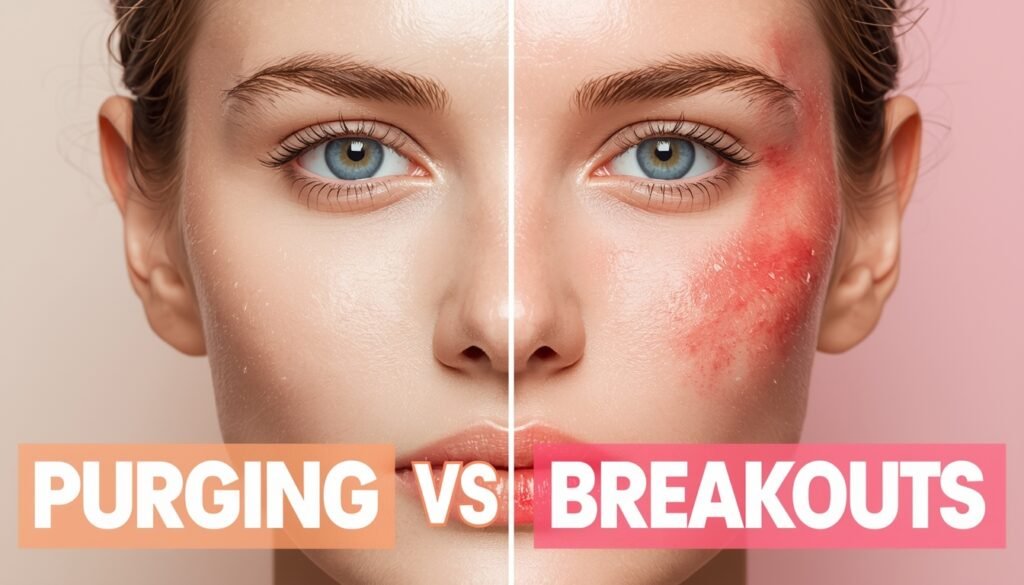
Spicule serums are a novel addition to the skincare landscape, designed to exfoliate and renew the skin effectively. With the increasing focus on skin health and wellness, these serums have gained substantial popularity within the beauty community, becoming a sought-after item for individuals seeking smoother and more radiant skin. The term “spicule” refers to microscopic, needle-like structures that are unique to certain serums, which penetrate the skin to promote cellular turnover and enhance texture.
The primary purpose of spicule serums is to facilitate exfoliation through their transformative ingredients. They often contain bioactive compounds such as hyaluronic acid, peptides, and botanical extracts, which work synergistically to hydrate, stimulate collagen production, and improve the overall appearance of the skin. This powerful combination not only aids in shedding dead skin cells but also paves the way for new cell generation, resulting in a brighter and more youthful complexion.
As the awareness surrounding skincare routines continues to expand, spicule serums have carved a niche for themselves by offering effective solutions for various skin concerns. Their unique formulation allows for deeper penetration compared to traditional exfoliants, making them an appealing choice for those aiming to achieve optimal skin health. Moreover, many users report noticeable improvement in the texture and clarity of their skin after regular use, further fueling the popularity of these serums in the skincare industry.
In conclusion, spicule serums represent an innovative approach to skincare, embodying a blend of effective exfoliation and skin renewal. Their rise in popularity signifies a shift toward more results-driven skincare solutions, and they hold the potential to revolutionize personal skincare regimens.
Understanding Purging vs Breakouts
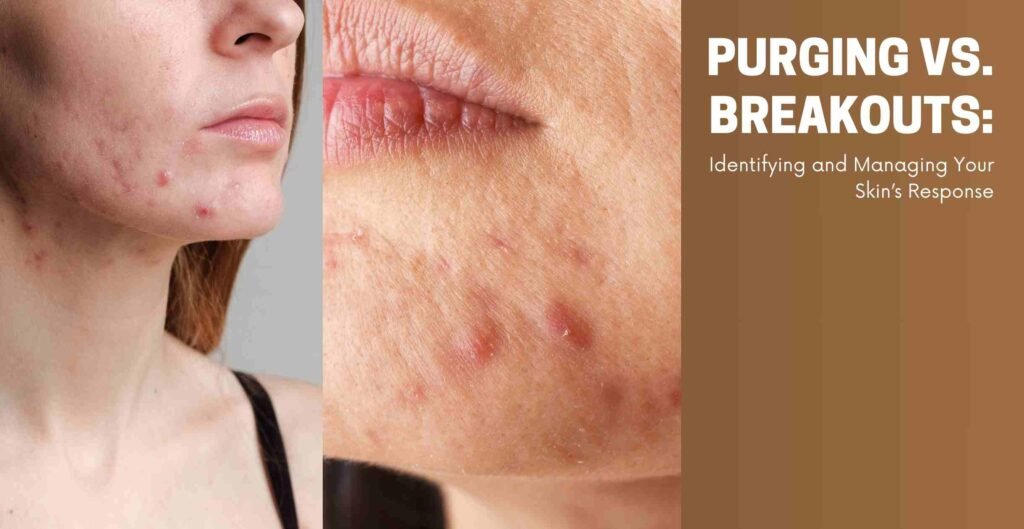
When introducing new skincare products, particularly those containing potent active ingredients like spicule serums, individuals may experience changes in their skin. Two common phenomena during this adjustment period are purging and breakouts, each with distinct characteristics and implications for skin health.
Purging specifically refers to the skin’s accelerated process of cell turnover, where pre-existing acne, blackheads, and blemishes surface more quickly due to the effects of new active ingredients. This typically occurs within the first few weeks of using a product, especially those containing exfoliants or retinoids, as they promote faster skin cell renewal. It is essential to recognize that purging is often temporary and may last for a few weeks as the skin clears itself of underlying imperfections.
In contrast, breakouts generally signify irritation, an allergic reaction, or an unsuitable product for one’s skin type. Breakouts can occur at any time after the application of new skincare, not limited to a specific time frame as seen with purging. They may manifest as localized redness, swelling, or painful cystic lesions, often indicating that the skin is reacting negatively rather than simply adjusting to the active ingredients.
To distinguish between purging and breakouts, observe the timeline and patterns of your skin’s response. If the eruptions align with stimulation of cell turnover and resolve within a few weeks, they may indicate purging. Conversely, if breakouts persist or worsen, and are accompanied by irritation, it may be advisable to reconsider the compatibility of the product with your skin. Understanding these differences can help inform decisions regarding ongoing skincare regimens and ensure an effective approach to achieving clear skin.
What to Expect in Weeks 1-4
When incorporating spicule serums into your skincare routine, it is essential to set realistic expectations for the initial four weeks of use. During this period, your skin may undergo several transformations as it adjusts to the active ingredients found in these serums. It is important to understand the stages your skin may experience, particularly the concept of purging and potential breakouts.
In the first week, many individuals may notice initial signs of skin adjustment. This can manifest as mild redness, tightness, or slight irritation as your skin begins to acclimate to the spicule serum. Some users might also experience an increase in oiliness as their skin attempts to balance itself, resulting in the emergence of pre-existing blemishes. It is crucial to remember that this phase can be temporary, aimed at clearing out clogged pores.
By weeks two and three, the skin will typically enter a purging phase, where users may experience an uptick in breakouts. These breakouts can be unsettling, but they often signify that the serum is working to purge impurities from within the skin. During this time, the turnover of skin cells can accelerate, sometimes leading to more visible irritation or short-lived blemishes. As challenging as this period may be, it is essential to maintain a steady application of the serum and resist the urge to discontinue usage prematurely.
By week four, many users start to notice a transition. Signs of irritation may subside, and individual skin types will dictate the extent of improvement. For most, the skin may begin to reveal a clearer texture and a more balanced appearance, emphasizing the importance of patience. Adapting to spicule serums requires time, and understanding this timeline can significantly aid in managing expectations as your skin responds to treatment.
Signs of Purging: What to Look For
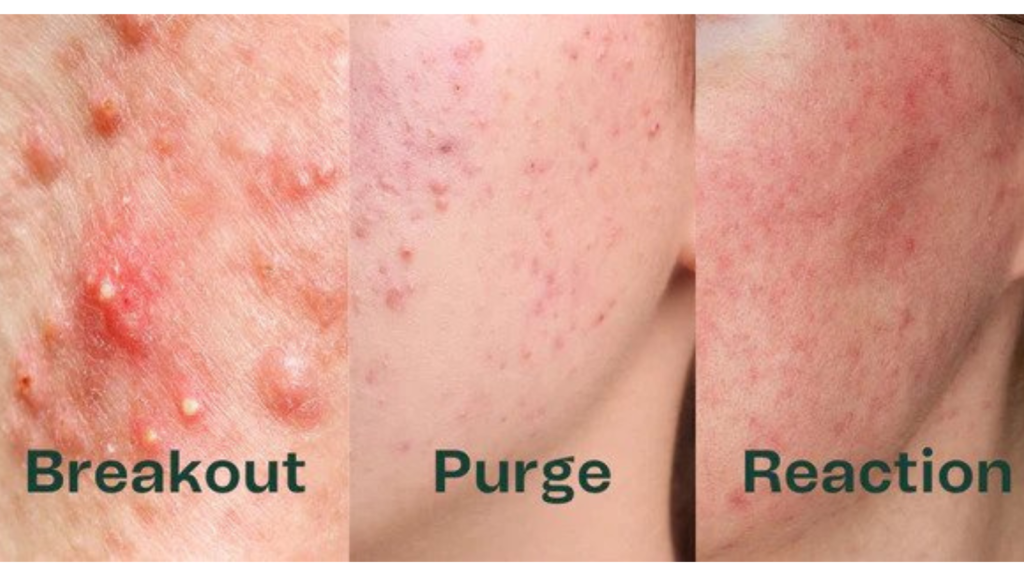
When integrating new spicule serums into your skincare routine, it is essential to differentiate between purging and breakouts. Purging is often a sign that the product is accelerating skin cell turnover and helps to bring clogged impurities to the skin’s surface. Familiarizing yourself with specific signs can assist you in identifying whether you are experiencing a purge or an adverse reaction.
Typically, purging is characterized by the appearance of small, superficial bumps or whiteheads. These may resemble tiny pimples and are usually concentrated in areas where you suffer from past congestion, making their emergence predictable given the product’s active ingredients. A notable aspect of purging is its duration; while breakouts can persist longer or involve deeper cystic spots, purging is generally short-lived, with symptoms resolving within a few weeks.
Another sign to look for is the timing of the skin reaction. If the breakout occurs within two to four weeks of starting the serum, it is likely a purge. Conversely, if breakouts develop after this period, they may signify an unfavorable reaction to the product.
The feel of your skin can also provide clues. During a purge, one might notice increased texture on the skin, including dryness or peeling, attributed to the active ingredients promoting cell turnover. It’s essential to remain calm during this period, as purging is often a necessary step towards achieving clearer and healthier skin.
Overall, recognizing the signs of purging can help you navigate your skincare journey effectively. Always observe how your skin reacts over time and consider maintaining a detailed diary of any changes to assist in distinguishing between purging and other skin reactions.
Signs of Irritation: When to Be Concerned
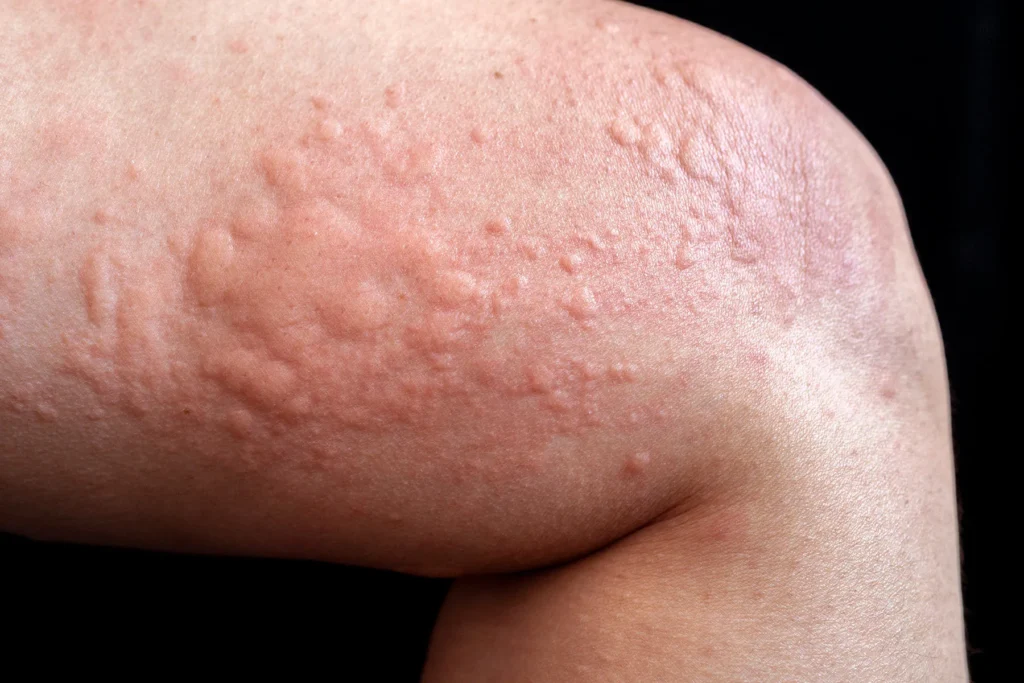
Understanding the signs of irritation when using spicule serums is crucial for maintaining healthy skin. While these serums are designed to enhance skin texture and overall appearance, they can occasionally lead to adverse reactions. Key symptoms to watch for include excessive redness, swelling, and prolonged breakouts, which might indicate that your skin is reacting negatively to the product.
Excessive redness can manifest as an alarming flush on the skin, often signifying inflammation. This symptom, if accompanied by a burning or stinging sensation, should be taken seriously. Swelling may present itself around the areas where the serum has been applied and can indicate that your skin is overwhelmed by the formula’s active ingredients. It is advisable to discontinue use at the first signs of these reactions.
Another critical indicator of irritation is the occurrence of breakouts that extend beyond the initial purging period associated with spicule serums. If you notice that breakouts persist or worsen over time rather than gradually improving, it may suggest that the serum is not compatible with your skin type. In such cases, it is prudent to reassess your skincare regimen.
It is essential to differentiate between normal purging, which typically resolves within a few weeks, and detrimental breakouts due to irritation. If symptoms persist or you experience severe discomfort, consulting a dermatologist is highly recommended. They can provide tailored advice based on your skin condition and help identify products better suited for your needs. Prioritizing skin health is vital, and recognizing these signs early will aid in achieving optimal results during your skincare journey.
How to Calm Flaking Fast
When using spicule serums, many individuals may experience skin flaking as a common side effect. This issue can be distressing, but there are several practical tips to soothe flaking and promote skin recovery. The first vital step is ensuring proper hydration. Keeping your skin moisturized can help alleviate dry patches and support the natural barrier of the skin. Look for moisturizers that contain hydrating ingredients such as hyaluronic acid or glycerin, which can pull moisture into the skin and reduce flakiness.
In addition to hydration, appropriate exfoliation methods are essential in controlling flaking. However, it’s crucial to strike a balance. While exfoliation can remove dead skin cells and help prevent the buildup that causes flaking, over-exfoliating can lead to further irritation. Opt for gentle chemical exfoliants, such as alpha-hydroxy acids (AHAs) or beta-hydroxy acids (BHAs). These ingredients can effectively slough off dead skin cells without causing excess irritation, thereby helping to maintain a smoother appearance.
Calming products can also support recovery during this process. Look for serums or creams containing ingredients such as niacinamide, which has soothing properties and helps improve skin texture and tone. Similarly, aloe vera and chamomile can reduce redness and inflammation, enhancing the overall healing process. Incorporating these calming products into your skincare routine after using a spicule serum can quickly help minimize the appearance of flakes.
Finally, consider reducing the frequency of spicule serum application if flaking persists. Allowing your skin time to recover can be beneficial. Implementing these strategies can significantly improve skin texture and comfort when dealing with the flaking associated with spicule serums.
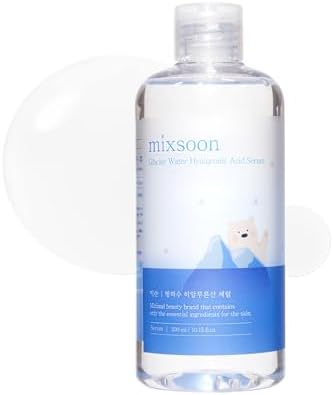
- Glacier Water Serum for Lightweight Daily Hydration A refreshing facial serum formulated with glacier water to help repl…
- Made with Glacier Water and Triple Hyaluronic Acid Formulated with glacier water and three types of hyaluronic acid of v…
- Weightless Hydration with a Dewy Finish The smooth, gel-like texture glides on easily and absorbs without leaving residu…
Best Practices for Using Spicule Serums
Incorporating spicule serums into your skincare routine can yield significant benefits for your skin, but understanding how to use them correctly is essential for achieving optimal results. Spicule serums utilize micro-spicules to enhance skin texture and promote cellular turnover, making it crucial to use them with care.
Firstly, it is recommended to start using spicule serums at a frequency of once or twice a week, especially if you are new to this type of product. This allows your skin to adjust to the active ingredients without overwhelming it. If your skin tolerates this frequency well after a few weeks, you can gradually increase usage to every alternate day depending on how your skin reacts.
When layering spicule serums with other skincare products, it is advisable to apply them on cleansed and dry skin. After cleansing, you should wait for a few minutes to ensure that your skin is completely dry, as moist skin may increase sensitivity. Following the application of a spicule serum, you can layer a hydrating serum or moisturizer to help soothe the skin and lock in moisture.
Timing is also a key factor in the use of spicule serums. They are best applied in the evening routine, as this allows your skin to undergo repair overnight when it is in a more restorative state. If you have sensitive or reactive skin, consider patch testing the serum on a small area before full application. Additionally, those with oily or acne-prone skin may find that incorporating spicule serums can aid in reducing breakouts but should monitor skin response closely.
Please remember that consistency is key; however, respecting your skin’s current condition and needs will yield the best outcomes when using spicule serums.
When to Stop or Scale Back Use
Using spicule serums can greatly benefit the skin by promoting rejuvenation and enhancing texture. However, it is crucial to remain attuned to the skin’s responses to these potent products. There are specific circumstances where one should consider either stopping or scaling back on the use of spicule serums to avoid potential damage or irritation.
Firstly, if you experience persistent redness, burning sensations, or irritation following the application of spicule serums, it may indicate that your skin is overwhelmed by the powerful ingredients. Such reactions are signals that suggest you should pause or decrease usage for a time. Giving the skin a break can help restore its balance and prevent further negative effects.
Moreover, if new lesions or breakouts develop, differentiating between a normal purging process and irritation is essential. Purging can sometimes manifest as temporary breakouts due to increased cell turnover. However, if breakouts become severe or numerous, discontinuation of the serum is advisable. Pay close attention to how your skin behaves after introducing the product; the skin often has an innate capacity to communicate its needs.
Additionally, consider seasonal changes and environmental factors. For example, during colder months, the skin may become more sensitive due to low humidity levels. In such instances, adapting the frequency of spicule serum applications can be beneficial. A keen awareness of these signals will guide users in determining the right approach for their skin, ultimately maximizing benefits while minimizing adverse reactions.
Listening closely to your skin’s signals is paramount when using topical treatments, including spicule serums. Adjusting your regimen accordingly can lead to healthier skin outcomes, ensuring your skincare journey is both safe and effective.
Conclusion: Finding Balance in Your Skincare Routine
In the journey of achieving healthy and radiant skin, understanding the nuances of spicule serums and their application is essential. As we have explored, spicule serums can often bring about significant changes in the skin’s texture and overall health. However, it is crucial to differentiate between purging and breakouts. Purging occurs when active ingredients cause underlying impurities to surface, while breakouts typically indicate a negative reaction to the product.
When introducing new spicule serums into your skincare routine, the approach should be meticulous and considerate. Start by incorporating the product gradually, allowing your skin to acclimate. This phased introduction can help mitigate potential breakouts and give you insight into how your skin responds. Monitoring reactions over time not only aids in understanding your skincare needs, but it also fosters a mindful approach to your regimen.
Furthermore, it is vital to maintain a balanced skincare routine that incorporates additional supportive products tailored to your skin type. Hydration, UV protection, and active exfoliation play critical roles in supporting the benefits of spicule serums. Patience is an integral part of this process, as the journey to clear and healthy skin may not yield immediate results.
In conclusion, achieving your desired skin health requires a well-considered balance between introducing new elements and maintaining established routines. Understanding the signs your skin shows during this process empowers you to take control of your skincare journey. By approaching change with patience and self-care, you can ultimately foster an environment conducive to optimal skin health.


Radiant Relief: A Cooling K-Beauty Skincare Routine for Redness in 2026
Achieving Glass Skin 2.0: Your Definitive 2026 Skincare Routine for a Flawless Glow